Complete Travel Guide for Kailash Mansarovar Yatra
History of Mount Kailash
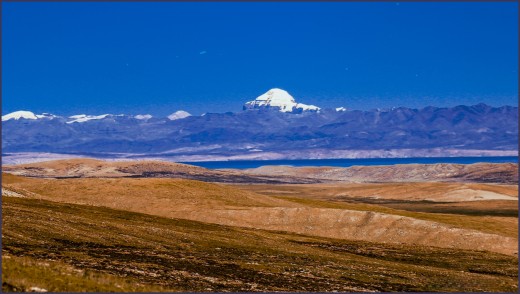
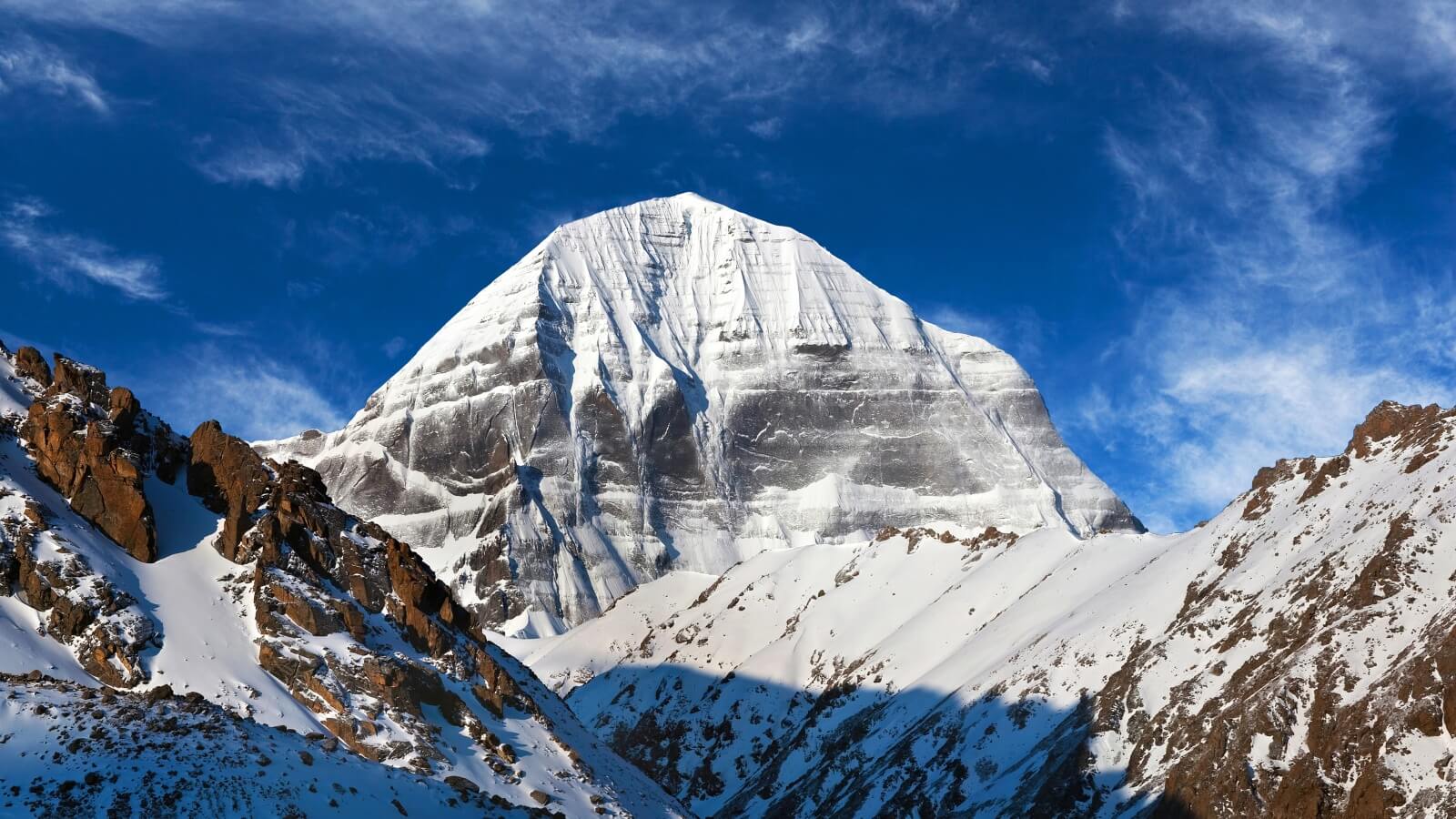
Mount Kailash, rising to 6,638 meters in the remote region of western Tibet, has been revered for thousands of years as one of the holiest and most mysterious mountains on Earth. Known as the “Navel of the Earth,” this majestic snow-capped peak is considered the spiritual center of the universe in several ancient traditions. Within a radius of about 30 miles, four major rivers—the Indus, Sutlej, Brahmaputra, and Karnali—originate, further enhancing its sacred status. According to Hindu scriptures, Mount Kailash is the eternal abode of Lord Shiva and Goddess Parvati, and completing the sacred Parikrama (circumambulation) is believed to cleanse sins and grant moksha (liberation). Buddhists revere the mountain as the dwelling place of Buddha Demchok, symbolizing supreme bliss, while Jains believe that Lord Rishabhadeva, the first Tirthankara, attained salvation here. Followers of the Bon religion regard Kailash as the seat of spiritual power and the axis of the world. Alongside Mount Kailash lies the pristine Lake Mansarovar, believed to have been created by Lord Brahma, whose holy waters are said to purify the soul and wash away sins. Every year, thousands of pilgrims and spiritual seekers undertake the challenging Kailash Mansarovar Yatra, not merely as a journey through the Himalayas but as a profound experience of devotion, self-discovery, and inner transformation. Passing through breathtaking valleys and crossing the sacred Dolma La Pass during the 42-kilometer Kora, pilgrims experience a unique blend of physical endurance and spiritual awakening, making Mount Kailash a timeless symbol of faith, purity, and enlightenment.
Kailash Mansarovar Yatra Routes
Pilgrims can undertake the sacred Kailash Mansarovar Yatra through two major routes, each offering a unique experience of spirituality, adventure, and Himalayan landscapes.
1. Helicopter Route
The helicopter route is the fastest and most convenient way to reach Mount Kailash and Lake Mansarovar. Starting from Kathmandu, pilgrims travel to Nepalgunj and then fly to Simikot in western Nepal. From Simikot, a helicopter takes pilgrims to Hilsa near the Nepal-Tibet border, followed by a short drive to Taklakot (Purang) for acclimatization. From there, the journey continues by road to the sacred Lake Mansarovar and Darchen, the base camp for the 52-kilometer Mount Kailash Kora. This route significantly reduces travel time and physical exertion, making it suitable for elderly pilgrims and those with limited time. The entire journey typically takes around 10–14 days.
2. Overland Route (Via Kerung Border)
The overland route is the traditional and most scenic way to experience the Kailash Mansarovar Yatra. Beginning in Kathmandu, pilgrims drive through the picturesque landscapes of Nepal to the Rasuwagadhi–Kerung border and enter Tibet. The journey then continues across the vast Tibetan Plateau, passing through towns such as Kerung, Saga, and Paryang before reaching the holy Lake Mansarovar and Darchen. Pilgrims then undertake the sacred Kailash Parikrama (Kora), trekking through Dirapuk, crossing the high Dolma La Pass (5,630 meters), and descending to Zutulpuk before returning to Darchen. This route allows gradual acclimatization to the high altitude and offers breathtaking views of snow-capped peaks, serene lakes, and the unique landscapes of Tibet. The overland journey usually takes around 14–16 days and is preferred by pilgrims seeking a deeper spiritual and cultural experience.
Both routes ultimately lead to the divine Mount Kailash and the sacred Lake Mansarovar, offering devotees an unforgettable pilgrimage filled with devotion, natural beauty, and spiritual transformation.
Challenges
Although the Kailash Mansarovar Yatra is spiritually rewarding, pilgrims should be aware of the practical and physical challenges involved. Understanding these difficulties and preparing accordingly can make the journey safer and more comfortable.
1. Helicopter Route Challenges
Weather-Dependent Flights
The helicopter route is highly dependent on weather conditions, particularly between Nepalgunj, Simikot, and Hilsa. Due to the mountainous terrain and rapidly changing weather patterns in western Nepal, flights may be delayed or cancelled because of poor visibility, heavy rain, strong winds, or low clouds. Such disruptions can result in unexpected overnight stays in Nepalgunj or Simikot and may affect the overall itinerary. Pilgrims are therefore advised to keep at least two to three buffer days after the Yatra and maintain flexibility in their travel plans.
Rapid Altitude Gain
One of the major challenges of the helicopter route is the sudden ascent from low altitudes to elevations exceeding 3,700 meters within a short period. This rapid gain in altitude increases the risk of Acute Mountain Sickness (AMS), which may cause symptoms such as headaches, dizziness, nausea, fatigue, shortness of breath, and difficulty sleeping. To minimize these risks, pilgrims usually spend two nights in Taklakot (Purang) for acclimatization before proceeding toward Lake Mansarovar and Mount Kailash. Staying well-hydrated, eating light meals, avoiding alcohol and smoking, and consulting a physician regarding preventive medication such as Diamox can further help reduce the likelihood of altitude-related complications.
Limited Infrastructure
Simikot and Hilsa are remote Himalayan settlements with basic infrastructure and limited facilities. Accommodation is simple, internet connectivity is unreliable, electricity supply may be intermittent, and advanced medical services are not readily available. Pilgrims should therefore carry personal medications, essential toiletries, power banks, and other necessities, as access to supplies and healthcare is limited in these areas.
Baggage Restrictions
Due to the limited carrying capacity of helicopters operating at high altitudes, baggage allowances are strictly enforced. In most cases, each pilgrim is allowed approximately 10 kg of checked baggage and 5 kg of hand luggage. Excess baggage may incur additional charges or require separate transportation, which can result in delays. Travelers should pack light and prioritize essential items such as thermal clothing, medications, toiletries, and important documents while avoiding unnecessary or bulky belongings.
Unpredictable Schedule
Since the helicopter route is highly weather-dependent, flight schedules can change unexpectedly. Delays or cancellations may require pilgrims to spend additional nights in Nepalgunj, Simikot, or Hilsa. Such changes may also affect connecting international flights and increase travel expenses. Maintaining flexibility and allowing buffer days before and after the pilgrimage are highly recommended to accommodate any unforeseen changes.
Physical Demands of the Kora
Although the helicopter route significantly reduces travel time, pilgrims are still required to undertake the sacred 52-kilometer Mount Kailash Parikrama (Kora). The most demanding section is the second day, when pilgrims cross the Dolma La Pass at an altitude of 5,630 meters. Steep ascents, rocky terrain, and reduced oxygen levels make this part physically challenging. Proper acclimatization, maintaining a slow pace, staying hydrated, and hiring horses or porters if necessary can help pilgrims safely complete the Kora.
2. Challenges of the Overland Route
Long Road Journey
The overland route involves several days of travel across the Tibetan Plateau, with daily drives often lasting six to ten hours. Although roads have improved over the years, some stretches remain rough and uneven. Long hours of travel can cause discomfort, fatigue, and motion sickness, particularly for elderly pilgrims. Carrying medications for travel sickness, taking regular breaks, and staying hydrated can help make the journey more comfortable.
High Altitude Exposure
Unlike the helicopter route, the overland route provides gradual acclimatization, but pilgrims spend prolonged periods above 4,000 meters. Locations such as Saga, Paryang, Mansarovar, and Darchen all lie at high elevations where oxygen levels are significantly lower. Despite gradual ascent, there remains a risk of Acute Mountain Sickness. Adequate rest, sufficient hydration, slow movement, and spending two nights in Kerung for acclimatization help the body adapt to the altitude and reduce health risks.
Physical Fatigue
Long hours of travel combined with cold temperatures and high altitudes can lead to physical exhaustion, especially for senior citizens and those with limited fitness levels. Reduced oxygen levels can make even simple activities more tiring. Pilgrims are encouraged to prepare physically before the Yatra by engaging in regular walking and light exercise, as well as ensuring adequate rest throughout the journey.
Unpredictable Border and Road Conditions
Travel through the Kerung border and across Tibet is subject to various uncertainties. Border formalities, immigration procedures, landslides, road maintenance, and adverse weather conditions can all affect the itinerary. Temporary road closures or delays at checkpoints are not uncommon. Pilgrims should remain patient and flexible, as changes to the schedule may occasionally be unavoidable.
Basic Facilities in Remote Areas
As pilgrims travel deeper into Tibet, accommodation and dining options become increasingly basic. Hotels and guesthouses often provide limited amenities, with shared bathrooms, restricted hot water, and simple meals. Internet access and communication facilities may also be limited. Pilgrims should carry essential medications, personal hygiene items, snacks, and power banks to ensure greater comfort during their stay in these remote regions.
Harsh Climate
The Tibetan Plateau is known for its harsh and unpredictable weather. Temperatures can drop below freezing, especially during the night, while strong winds, dry air, dust, and intense ultraviolet radiation are common. Such conditions can lead to dehydration, chapped skin, and sunburn. Pilgrims should carry thermal clothing, windproof jackets, gloves, sunglasses, sunscreen, and lip balm to protect themselves from the extreme environment.
Demanding Kailash Parikrama
The Mount Kailash Parikrama remains the most physically demanding part of the pilgrimage. Covering approximately 52 kilometers over three days, the route reaches its highest point at Dolma La Pass (5,630 meters). The second day of the Kora involves steep climbs and descents over rocky terrain under low oxygen conditions. Proper acclimatization, physical preparation, maintaining a slow pace, and using horses or porters when necessary are essential for safely completing this sacred journey.
Precautions for Challenges
Proper preparation and precautionary measures can help pilgrims overcome the challenges of the Kailash Mansarovar Yatra and ensure a safe and comfortable journey. Pilgrims should keep two to three buffer days in their itinerary to accommodate possible weather-related delays and remain flexible with travel plans. Following proper acclimatization schedules, staying well-hydrated, eating light meals, and avoiding alcohol and smoking are essential to reduce the risk of Acute Mountain Sickness (AMS). Since facilities in remote areas are basic, carrying sufficient medications, a first-aid kit, toiletries, power banks, and energy snacks is highly recommended. Travelers should pack light and prioritize essential items while allowing extra days for unforeseen changes caused by weather or administrative procedures. Physical preparation through regular walking and light exercise before the journey helps improve endurance, while layered clothing, thermal wear, sunscreen, and sunglasses provide protection against harsh weather conditions. During the Mount Kailash Parikrama, maintaining a slow pace, staying hydrated, and using trekking poles or horse services when necessary can make the trek safer and more manageable. Comprehensive travel insurance covering high-altitude travel and emergency evacuation is strongly recommended, and maintaining patience, flexibility, and a positive mindset throughout the pilgrimage greatly contributes to a safe, successful, and spiritually rewarding experience.
Age Limit for the Kailash Mansarovar Yatra
As per the current regulations, the minimum age for the Kailash Mansarovar Yatra is 10-12 years, while the maximum age limit is 72 years. Pilgrims above 70 years of age are permitted to undertake the Yatra, subject to additional medical and administrative requirements due to the high-altitude conditions of the Tibetan Plateau.
For pilgrims aged 70–72 years, the following conditions apply:
- A health examination report, issued within six months prior to the travel date by an Indian public hospital at the district level or above, must be submitted. The report should include the doctor's opinion regarding whether the pilgrim is physically fit to travel to high-altitude areas above 4,000 meters (13,000 ft).
- The pilgrim must submit a written application expressing their intention to undertake the pilgrimage in Tibet, duly signed and fingerprinted by the pilgrim and two direct relatives.
- The Tibetan authorities reserve the right to assess the submitted documents and determine whether entry approval will be granted.
- Pilgrims suffering from high blood pressure, heart disease, asthma, or other serious respiratory or cardiovascular conditions are generally not permitted to undertake the Yatra.
- At least two direct relatives must accompany the pilgrim throughout the journey.
- A refundable risk deposit of USD 1,000 must be paid to the Tibet Autonomous Region Foreign Exchange Center (FEC). The deposit is refunded upon successful completion of the Yatra. However, in the unfortunate event of the pilgrim's death during the pilgrimage, the deposit will be retained by the FEC as liquidated damages.
- Upon arrival in Tibet, the local medical authorities may conduct an additional health examination to determine whether the pilgrim is fit to undertake the Mount Kailash Parikrama (Kora). If the medical recommendation indicates that the pilgrim is not suitable for the Parikrama, they will not be permitted to continue the circumambulation and must remain at Darchen or another designated location.
Due to the demanding nature of the Kailash Mansarovar Yatra and prolonged stays at elevations above 4,500 meters, all pilgrims, regardless of age, are strongly advised to undergo a comprehensive medical examination and consult their physician before undertaking this sacred journey.
Kailash Mansarovar Yatra Booking Process
The Kailash Mansarovar Yatra can only be booked through authorized Nepal-based tour operators. Travelers wishing to undertake this sacred pilgrimage are encouraged to contact Sunny Holidays to explore the available Yatra options, including both the Helicopter Route via Simikot–Hilsa and the Overland Route via Kerung Border. During the initial consultation, pilgrims can discuss the itinerary, duration, inclusions, pricing, and select the package that best suits their preferences and requirements. Once the preferred route and package have been finalized and agreed upon, the formal booking process begins.
Permit Application Process
To begin the permit application process for the Kailash Mansarovar Yatra, travelers are required to provide a clear scanned copy of their passport and confirm their booking at least 45 days prior to the departure date. This advance confirmation is mandatory in accordance with the timeline set by CIPSC, as permits can only be processed and issued within this timeframe. Once the necessary documents are submitted and the permit application is approved, the invitation letter and relevant travel permits are obtained before the scheduled Yatra date. After receiving the invitation letter and permit approval, the visa application process is initiated separately.
An advance payment of INR 20,000 per person and a booking form are required to cover the Permit processing charges before the Permit application is submitted.
Visa Application Process
The visa application process for the Kailash Mansarovar Yatra is initiated only after the required permits and invitation letter have been received. Once the permit is approved, travelers are required to send their physical passport to the designated agent in New Delhi approximately 15–20 days before the Yatra departure date to facilitate visa processing. In addition, the necessary documents for online visa submission should be provided immediately after the permit list has been submitted to CIPSC, ensuring that the visa process can commence without delay upon receipt of the permit.
An advance payment of INR 20,000 per person is required to cover the visa processing charges before the visa application is submitted.
The following documents are required for the visa application process:
- Completed Visa Application Form.
- Recent Passport-Size Photograph (as per specifications).
- Clear Copies of the Passport Front and Back Information Pages.
- Photograph or Scan of Two Blank Passport Pages.
- Copy of Previous Chinese Visa(s), if the traveler has visited China before.
Departure and Commencement of Yatra
After the visa is issued, the Kailash Mansarovar Yatra officially begins from the designated departure points depending on the selected route. For the Helicopter Route, the journey starts either from Kathmandu (Nepal) or Lucknow (India), from where pilgrims are transferred to Nepalgunj and then proceed via Simikot and Hilsa into Tibet. For the Overland Route, the Yatra begins from Kathmandu, and pilgrims travel by road through the Rasuwagadhi–Kerung border to enter Tibet. From there, the journey continues as per the fixed itinerary toward Lake Mansarovar and Mount Kailash under the supervision of the tour operator.
Currency Exchange
For the Kailash Mansarovar Yatra, pilgrims should carefully plan their currency requirements in advance as Chinese Yuan (CNY) is the main currency used in Tibet for personal expenses, emergency needs, and optional services such as horse or porter assistance during the Parikrama. Currency exchange is usually arranged in Kathmandu or Nepalgunj through the tour operator before departure for convenience.
Key Points:
- Main currency used in Tibet: Chinese Yuan (CNY)
- Exchange available in Kathmandu and Nepalgunj through tour operator
- Suggested emergency cash: CNY 2,000 per person
- Additional for horse/porter during Parikrama: CNY 3,500 (approx.)
- Total suggested extra cash: CNY 5,500 per person (emergency + horse option)
- Unused CNY can usually be re-exchanged.
Proper currency planning ensures a smooth and hassle-free experience during the pilgrimage in remote Himalayan and Tibetan regions.
Potential Extra Expenses During Kailash Mansarovar Yatra
During the Kailash Mansarovar Yatra, pilgrims should be prepared for certain additional expenses that may arise, especially during the Mount Kailash Parikrama and in emergency situations.
Ponies (Horses) and Porters
Pilgrims who find it difficult to walk the 52 km Kailash Kora can hire ponies (horses) or porters for assistance. However, according to the local Pony Owner and Porter Union rules, ponies and porters are generally required to be booked for the full three-day Parikrama and cannot be hired for partial use. The payment must be made in advance, and in most cases, no refund is provided even if the pilgrim returns early or is unable to complete the Kora. In rare situations, a one-day pony service may be available, but it is limited and usually charged at a significantly higher rate depending on demand and availability.
Emergency Expenses
Due to the remote location and high-altitude environment, unexpected situations such as altitude sickness, weather delays, or personal health issues may occur. In such cases, pilgrims may require additional funds for medical assistance, accommodation extensions, transport adjustments, or other urgent needs. Therefore, it is strongly recommended to carry emergency cash to handle any unforeseen circumstances during the journey. Proper planning for these extra expenses ensures a smoother, safer, and more comfortable pilgrimage experience.
Mobile Phone Connectivity in Tibet
Staying connected with family and friends during the Kailash Mansarovar Yatra is possible, but limited due to the remote location and network restrictions in Tibet.
Indian and Nepali SIM cards do not work in Tibet. However, pilgrims can purchase a local Tibetan SIM card from authorized mobile shops or telecom centers available along the route of the Yatra. This allows limited communication during the journey.
Buying a Tibetan SIM Card
- Cost: Around CNY 100 (incoming calls only)
- Cost: Around CNY 200 (incoming and outgoing calls)
- SIM cards can be purchased at designated telecom shops on the route
- Pilgrims must carry a working mobile phone and charger
Network and Charging Facilities
- Mobile network coverage is available only in certain areas along the route
- Connectivity may be weak or unavailable in remote high-altitude regions
- Charging facilities are usually available at lodges only during evening generator hours (3–4 hours)
- It is recommended to carry a power bank for backup charging
Due to limited network coverage and remote terrain, communication should be considered occasional rather than continuous throughout the journey.